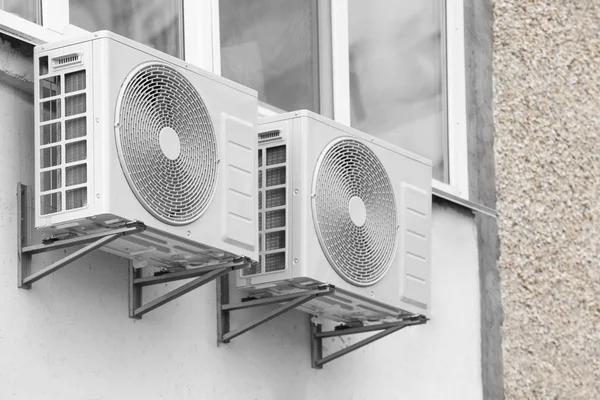

Window air conditioners are a popular choice for cooling individual rooms due to their affordability and ease of installation. However, one common concern among users is the noise these units produce during operation. Noise issues can range from a low hum to loud rattling or buzzing sounds, which may disrupt comfort and concentration. Understanding the causes of window air conditioner noise and knowing how to reduce it can significantly improve the user experience.
The primary source of noise in window air conditioners often comes from mechanical components such as the compressor, fan motor, and internal fans. The compressor generates vibrations while compressing refrigerant, which can transmit through the unit’s frame into the surrounding structure. Fans spinning at high speeds also contribute to sound levels by moving air inside and outside the room. Additionally, loose parts or debris trapped inside the unit may cause rattling noises when vibrations occur during operation.
Improper installation is another frequent factor that increases noise levels. If a Window Air Conditioner is not securely mounted within its frame or if gaps exist between the unit and window frame, vibrations will amplify and produce more audible sounds. A poorly insulated mounting area allows sound waves to travel more freely both indoors and outdoors.
To reduce noise effectively, start by ensuring proper installation according to manufacturer guidelines. The unit should fit snugly in its designated space without any loose movement or gaps around edges where sound could escape or be amplified. Using weatherstripping foam seals around edges helps create an airtight barrier that dampens vibration transmission as well as prevents drafts.
Regular maintenance plays a crucial role in minimizing operational noise over time. Cleaning or replacing clogged filters improves airflow efficiency so fans do not work harder than necessary-a common cause of excess sound production. Checking for loose screws or bolts on panels and tightening them reduces rattling caused by vibrating parts rubbing against each other.
Placing anti-vibration pads beneath supporting brackets can absorb some mechanical energy before it reaches windowsills or walls where resonance might occur. For units with particularly noisy compressors or motors, consulting professional technicians about lubricating moving parts or replacing worn components may be worthwhile investments toward quieter performance.
In summary, addressing window air conditioner noise involves understanding its sources-mainly mechanical vibrations and installation flaws-and applying solutions like secure fitting, sealing gaps with foam strips, routine maintenance including filter care and tightening hardware, along with using vibration-absorbing materials when needed. These steps help maintain a peaceful indoor environment while still benefiting from effective cooling provided by window-mounted units throughout warmer seasons.